





Empty nose syndrome (ENS), also known in research as "the
wide nasal cavity syndrome", is a medical term used to describe a nose crippled
by over resection of the inferior and/or middle turbinates of the nose.[1]
Empty nose syndrome is a iatrogenic
condition that can and should be completely avoided, except for the rare cases
of cancerous tumours in the nasal cavity, in which radical resection of nasal
structures may be mandatory.[2] [3]
Over resection of the inferior or middle
turbinates leaves the nose in a chronic state of dryness (lack of mucus/moisture
production) and incapable of streamlining, sensing (motion and temperature wise)
and processing the inhaled air in a satisfactory manner.[4]
The main symptoms are - chronic dryness of
the nose and pharynx, shortness of breath, upsetting nasal sensations switching
between over openness or congestion of the remaining mucosa, difficulty
sleeping, difficulty concentrating and a generally depressed and irritated
mood.
The patients feel confusing sensations of
too much air entering their nose and pharynx, yet at the same time they feel
that they need more nasal resistance to breathe-in satisfactorily. Patients may
report that their nose feels un-responsive, too empty and at the same time
stuffy, or that although they can sense plenty of air passing through their
noses towards their lungs, they feel as if they can't catch their breath and as
if their lungs are constantly starved for air. Paradoxically their shortness of
breath improves when their nasal mucosa becomes swollen and their nasal
resistance increases, like when their nose becomes infected or after drinking a
lot of alcohol.
ENS is a physically, cognitively and
emotionally debilitating condition as good nasal functions are crucial for
proper lung functions and breathing, cognitive functions, and sense of
well-being.
Extreme sensation of dryness of the
nasal cavities, with or without crusting.
Not enough moisture/mucus production.
Dryness of the pharynx, softpalate and back of the tongue ("dry
pharyngitis" and "dry laryngitis"[5]).
Feeling of needing more nasal resistance
(or nasal membrane responsiveness) to breathe.
Increased pulmonary sensitivity to
air-borne irritants, strong scents and cold air. Causes much uneasiness in
breathing and sometimes even long-periods (can last hours) of severe shortness
of breath, depending on the degree of exposure.
Diminished sense of smell and/or taste.
Can be confusing - because although there is diminished sense of smell there
is also hyper-responsiveness to light and volatile airborne chemicals, fumes
and irritants.
Difficulty projecting or resonating
speech. The voice seems weak and requires some straining to sound loud and
articulate well, which causes uneasiness in speech.
Feeling weak and depleted of energy.
Very poor quality of sleep. Not
necessarily full sleep apnea, but shallow and dry breathing, which often
switches entirely to mouth breathing only, waking up a lot very dry, with
headaches, severe dizziness and very little REM sleep.
Relatively dry skin and eyes.
cognitive
symptoms
Difficulty concentrating ('aprosexia
nasalis').
Difficulty performing mental tasks.
emotional
symptoms
Marked reduction in sense of self and
very crippled sense of well-being.
Irritated and/or depressed mood. Often
clinical depression.
Anxieties.
Avoidance of social interactions.
other characteristic
physical symptoms that many ENS patients develop
irritating sensation of thick stagnant
mucus stuck at the back of the throat. Because of the dryness of the mucosa
the mucus propelled to the throat (on the way to the stomach - the nasal
mucociliary clearance that occurs in all humans) simply becomes too dry and
sticks to the sides of the throat instead of sliding smoothly unfelt.
Chronic sinusitis.
Worsening of pre surgical nasal
symptoms, such as allergicrhinitis,
etc'.
Epistaxis.
Hardly any mucus production, or the
opposite – episodes of excessive rhinoreah.
Foul smell from nasal cavities.
Gastroesophageal reflux (GERD).
Elevated levels of blood pressure.
Hormonal and metabolic imbalances.
Significant weight gain.
Etiology
The roles of the
turbinates and how their absence causes symptoms of
ENS
The nasal turbinates are elongated bony
structures, covered with nasal mucosa, that project off the nasal side walls and
stretch across the entire nasal airway. In adults - the inferior turbinate is
about the size of an index finger and the middle turbinate is about the size of
the small finger. They are the most important mucosal and moisture secreting
structures of the nose and they serve to heat regulate (to body temperature),
humidify (to 98% humidity), to filter, to pressurize, elevate and streamline the
air that flows through the nose. They provide most of the nasal mucosa for the
air to flow over and by doing so they act as the radiators, the humidifiers and
filters of the nose. The unique air-conditioning and processing conditions that
the turbinates supply are not important only for proper lung function but also
for keeping the health, function and integrity of the rest of the nasal mucosa,
which is essentially the organ-system of the nose, as it covers all the inner
nasal chambers and sinus cavities. The turbinates, in particularly the inferior
ones, also play a crucial role in protecting the pharynx and larynx from the
effect of direct insult of airflow and dryness.
The turbinates are also heavily innervated
with pressure sensing receptors (of the trigeminal cranial nerve) that sense the
airflow and thus notify the brain that enough air is traversing the nose to
sustain life. If too much of these receptors are gone nasal breathing becomes
unsatisfying, even though there is no structural blockage. This is called
'paradoxical obstruction' and is very common in ENS. This lack of airflow
sensation causes much distress and morbidity to the sense of well being.[6]
The turbinates, especially the inferior
ones, also provide most of the nasal resistance to the lungs. The lungs need
some resistance to allow them to reach their proper inflation and deflation
rates during inhalation and exhalation. The nose supplies 50% of the entire
resistance to the lungs. The turbinates supply most of these 50%. The function
of nasal resistance is poorly researched and understood. It is well known from
clinical observation that too little nasal resistance can cause similar
pulmonary breathing difficulties and shortness of breath as too much resistance.
Healthy nasal breathing is essential for maintaining all aspects of physical and
mental health.[7][8]
The turbinates also trap more than 75% of
the water vapor returning from the lungs upon exhalation and thus help protect
the body from dehydration.
The poorly understood naso-pulmonary
reflex may also play a role in causing pulmonary restriction in ENS
patients.[9]
The implication of
turbinectomies in causing ENS
Sometimes the turbinates become
chronically swollen in such a way which causes too much nasal obstruction. ENT
and plastic surgeons can decrease their volume using the surgical procedure
known as a turbinectomy. However this is a wide code-name that might mean
anything from minimal reduction to complete resection of an entire turbinate.
While careful and judicial conservative reductions of a turbinate's volume can
be beneficial to the patient, an aggressive turbinectomy, in which most or all
of the main turbinal body is resected, can be a devastating procedure that
causes ENS.[10][11][12][13][14][15][16][17][18]
In many patients, ENS-type like symptoms develop even after what seems to be
conservative reductions of the turbinates, especially if they include the
anterior portion of the inferior turbinates, which are essentially a vital part
of the inner nasal valve. However these symptoms will not be as severe as in
over aggressive reductions of the turbinates.
When taking nasal anatomy and physiology
into account it is very easy to see how over resection of nasal inferior and/or
middle turbinates (also known as 'conchae') will cause the nasal chambers to be
too empty, too wide and too dry, resulting in a marked decline of all nasal
functions and sensations and this has a profound effect on the sufferer's
quality of life and sense of well-being.
Terminology
The term "empty nose syndrome" was
originally coined in the early 1990s by Dr. E.B. Kern (MD.) who was at the time
head of the otolaryngology ward in the Mayo Clinic in Rochester, Minnesota, USA.
He and his colleagues began to notice that more and more patients who had
undergone aggressive resections of their inferior or middle turbinates seemed to
develop symptoms of nasal obstruction and shortness of breath even though their
noses appeared to be wide open, following partial or total turbinectomies. Other
hallmark symptoms were chronic nasal dryness, difficulty concentrating, and
often clinical depression. They found that all these symptoms and more, in all
the patients examined, developed only after their inferior or middle turbinate
were over aggressively resected.
All the patients had CT scans that showed
abnormally wide and empty looking nasal cavities, thus they called it - "Empty
Nose Syndrome".[19]
ENS is often referred to also as
'secondary atrophic rhinitis', because it is believed that the over exposed and
wide cavities may become atrophic over time ('secondary'= caused by surgery or
other medical intervention, or direct trauma to the nose, as opposed to
'primary' which develops because of systemic illnesses). However, developing an
atrophic mucosa on top of ENS is not a prerequisite for diagnosing a
post-turbinectomy patient with ENS.
In ENS the mucosa in the over exposed
cavities, where the turbinates were over resected, becomes chronically dry and
in some cases even atrophic. But, unlike in atrophic rhinitis, this dryness or
atrophy is caused directly by the direct impact of over turbulent and dry
airflow and not because of chronic inflammation of the mucosa that occurs in
atrophic rhinitis. So, perhaps a more accurate description, when comparing the
two, would be to say that ENS symptoms can appear do be similar to those of
atrophic rhinitis, but unlike the latter the dryness or atrophy in ENS is not of
a progressive inflammatory sort.
From a histological point of view the
clinical picture in ENS tends to resemble a form of rhinitis sicca with perhaps
some limited areas of atrophic mucosa, usually at the front of the nose, rather
than full blown atrophic rhinitis. Of course, atrophic rhinitis in itself, or
ozena, can both result in ENS too.
Treatment
options
Non-surgical treatment options are meant
to maintain and slightly improve the health of the remaining nasal mucosa in the
ENS nose, by keeping it moist and free as possible from irritation and
infection.
Surgical treatment is meant to try to
permanently improve the severity of the symptoms.
Non-surgical
treatment
Non-surgical treatments will not cure ENS,
because it cannot restore the missing turbinates, but it can help control some
of the symptoms and make the suffering more tolerable:
üDaily nasal irrigations of regular saline are
always recommended. Many patients prefer to use Ringer's Lactate solution
instead, as they find it's easier on the mucosa than regular saline, and there
are some empirical studies that back up that claim.
üSaline, Ringer's Lactate, or hyaluronic acid based
- nasal mist sprays, or gels, are always helpful when proper irrigation is not
possible.
üSesame oil can help in cases of extreme dryness
and crusts.
üDrinking lots of hot soups and beverages. Caffeine
is best avoided.
üSleeping with a cool mist humidifier.
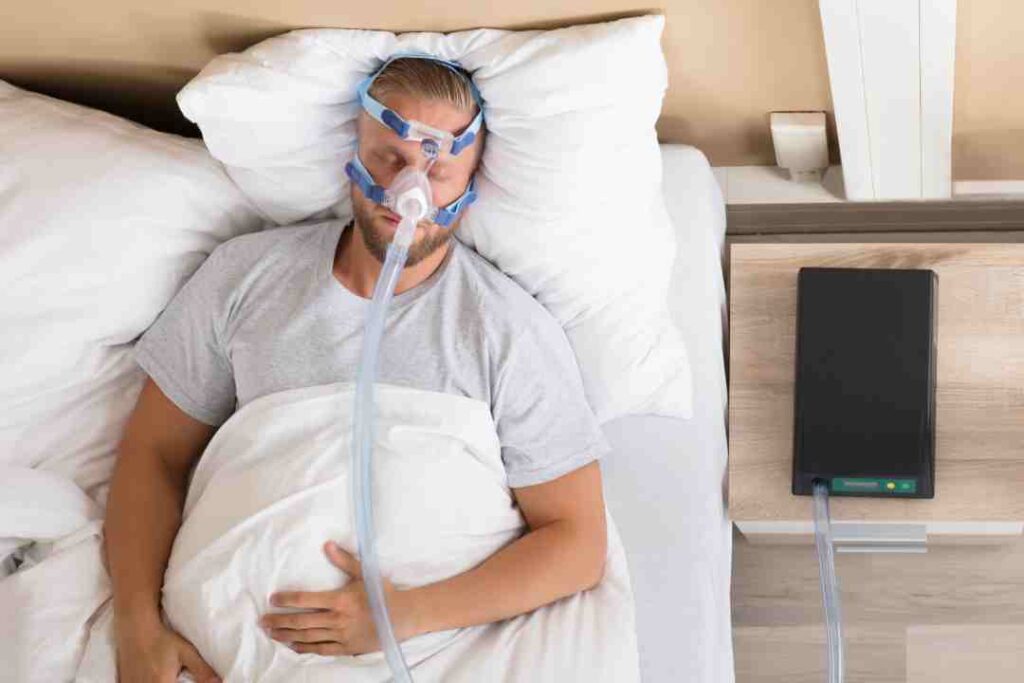
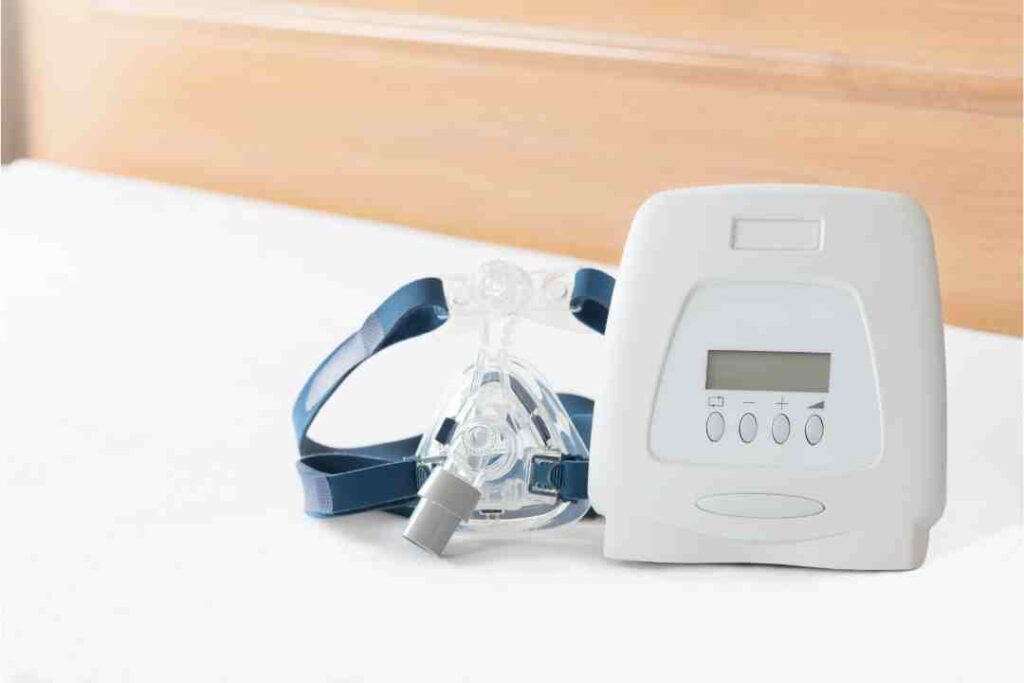
üSleeping with a CPAP machine that has a built-in
humidifier.
üAcupuncture and shiatsu meant to improve nasal
blood supply and nerve function.
üDressing warmly and sleeping in a warm
environment.
üRegular physical activity and a healthy life style
are most important too.
Surgical
treatment
The underlying rational of surgery is to
restore the inner nasal geometrical structure of the nasal passages of air (the
inferior, middle and superior meatuses).
Turbinate tissue is unique and there are
no potential donor sites in the body to harvest similar tissue from. However, in
the nose, Form = Function. It is therefore possible to restore some function by
restoring the natural contours and proportions of the nasal passages: It is
possible to create an artificial look alike structure of a turbinate in the
nasal cavities, and thus - to regain some of the nose's capabilities to
adequately pressurize, streamline, heat, humidify, filter and sense the
airflow.
By implanting different grafts and
material underneath the patients' submucosa at the right places - the surgeon
hopes to create a look alike turbinal structure which will do four
things:[20]
a) Restrict the amount of airflow, just
enough to allow the nasal mucosa to cope better, while still allowing enough air
to pass through for all needs of breathing. This is referred to as normalizing
the nasal rates of resistance.
b) Restore close to normal rates of nasal
mucosal heat and humidity, as the implant projections trap the heat and moisture
in the air returning from the lungs.
c) Normalize the post surgical disrupted
airflow patterns of the nose and make sure that the vast majority of airflow is
redirected into the middle meatus of the nose.
d) Increase the mucosal surface in the
nose that comes in contact with the airflow. This increases airflow sensation,
amongst all the other things that are mentioned above that help improve the
sensation too.
Implant
Materials
The bulking up of the sub-mucosa and
mucosa to create a neo-turbinate structure can be achieved through implanting
some supporting material between the bone/cartilage and the submucosal layer.
Many materials have been tried over the past 100 years. In most cases this
operation was used to restore heat and humidity to atrophic
noses.
Generally speaking - the implant materials
can be divided into 3 groups:
autografts: bone, cartilage, fat, etc' from one site to
another in the same patient. The problems here are relative shortage of tissue,
and long term studies have shown high absorption rates in the
nose.
foreign materials: such as - hydroxyapatite, fibrin glue, Teflon,
gortex, and plastipore, which solve the shortage problem of autografts, are easy
to shape and don't tend to get absorbed. However they have a high extrusion
rate, and sometimes cause infection.
allografts: In the last decade scientists have been able to
harvest and remove away genetic markers of some basic human tissues (like skin
dermis) from donors, and thus supplying a human natural implant material which
will not stimulate the immune system to reject it. A good example for such
material is acellular dermis (brand named - "Alloderm"). It does not get
rejected and in most areas retains most of its volume over long
periods.
Alloderm implants have already been
implanted successfully for a few years now in a small but growing number of ENS
patients. At four years follow-up, results seem stable and encouraging. It seems
that Alloderm implants cannot fully cure ENS but can help alleviate much of the
suffering, with various degrees of success, depending on the individual
condition of each patient.
The ideal implant material, other than
real original turbinate tissue should be something with low extrusion and
rejection rates, minimal infection risk, and very importantly - that will
provide a strong and endurable enough structure and at the same time allow good
permeability for blood vessel incorporation, which seems to be the key against
long term absorption.
The following is a short video demonstrating Alloderm implantation to create a septal neo-inferior-turbinate in a cavity where the original IT was completely resected and of augmenting a partially reduced inferior turbinate in the other cavity with adding some Alloderm strips to it. Preformed by Dr Steven Houser:
Dr. Houser's Alloderm implant procedure
What lies
ahead
A 100% complete cure will only be
available if and when the situation is reversed and the actual real tissues of
the resected turbinates are regenerated or returned to the nose through means of
regenerative medicine and/or tissue-engineering. The technology and know-how
knowledge of how to do so exist. The application, like in so many other physical
disorders, is another matter altogether.
Hopefully tissue engineering and
regenerative scientists will begin to take more interest in functional inner
nasal reconstruction, as the complication rates of functional nasal surgery are
amongst the highest rates compared to most other types of elective
surgery.
Citations from the
medical literature
"The symptom that most often indicates ENS
is paradoxical obstruction: subjects may have an impressively large nasal airway
because they lack turbinate tissue, yet they state they feel they cannot breathe
well. There is no clear way to describe the breathing sensation that patients
with ENS experience. Some patients may state that their nose feels “stuffy,” for
lack of a better word, whereas others state their nose feels too open, yet they
cannot seem to properly inflate the lungs; they feel they need some resistance
to do so. Patients with ENS do not sense the airflow passing through their nasal
cavities, whereas their distal structures (pharynx, lungs) do detect
inspiration; the patients’ central nervous systems receive conflicting
information. These patients seem to be in a constant state of dyspnea and may
describe the sensation of suffocating. The constant abnormal breathing
sensations cause these patients to be consistently preoccupied with their
breathing and nasal sensations, and this often leads to the inability to
concentrate (aprosexia nasalis), chronic fatigue, frustration, irritability,
anger, anxiety, and depression."
(Houser SM. Surgical Treatment for Empty
Nose Syndrome. Archives of Otolaryngology Head & Neck Surgery\ Vol 133
(No.9) Sep' 2007: 858-863).
"… The excess removal of turbinate tissue
might lead to empty-nose syndrome. Excess resection can lead to crusting,
bleeding, breathing difficulty (often the paradoxical sensation of obstruction),
recurrent infections, nasal odor, pain, and often clinical depression. In one
study, the mean onset of symptoms occurred more than 8 years following the
turbinectomies.”
(From: “The turbinates in nasal and sinus
surgery: A consensus statement.” By D. H. Rice, E. B. Kern, B. F. Marple, R. L.
Mabry, W. H. Friedman. ENT – Ear, Nose & Throat Journal, February 2003, pp.
82-83.)
"Turbinate Reduction and
Resection:
Unfortunately, a wide nasal cavity
syndrome due to reduction or resection of the inferior turbinate (and/or middle
turbinate) is still frequently seen. When caused by (subtotal) turbinectomy, it
can hardly be considered a complication. In our opinion, it is a "nasal crime".
This iatrogenic condition can easily be avoided by reducing a hypertrophic
turbinate using one of the intraturbinal function-preserving
techniques."
(From: "Functional Reconstructive Nasal
Surgery". By Egbert H. Huizing, John De Groot. Hard-cover publication by Thieme,
2003. page 285).
"Empty nose syndrome: Some patients who
have had excision of the inferior and/or middle turbinates may report increased
symptoms thereafter. They may report a reduction in nasal mucus, nasal dryness
or sensation of nasal obstruction or blockage and a general reduction in their
sense of well-being.
Out of concern for this problem, many
surgeons are now reluctant to perform any significant amount of surgical
turbinectomy. As a result, preservation of as much turbinate tissue as is
possible is now considered by many to be an important part of surgical
management. Many surgeons will only remove a very small portion of the middle
turbinate if absolutely necessary in order to achieve adequate visualization or
to remove devitalized tissue. Operative descriptions of the extent of resection
may be variable, and the endoscopist should make an independent assessment of
the amount of resection performed. Radiofrequency ablation of the turbinates
(e.g. Somnoplasty) has not caused the same problems as surgical turbinate
reduction."
(Wellington S. Tichenor, MD; Allen
Adinoff, MD; Brian Smart, MD; and Daniel Hamilos, MD. The American Academy of
Allergy Asthma Immunology Work Group Report: Nasal and Sinus Endoscopy for
Medical Management of Resistant Rhinosinusitis, Including Post-surgical Patients
November, 2006. Prepared by an Ad Hoc Committee of the Rhinosinusitis
Committee.)
“Removal of an entire inferior turbinate
for benign disease is strongly discouraged because removal of an inferior
turbinate can produce nasal atrophy and a miserable person. Such people
unfortunately are still seen in the author’s offices; these people are nasal
cripples.”
(From: "Otolaryngology – Head and Neck
Surgery", Page 496, chapter 23. Chapter written by Dr. Kern. Book by Dr.
Meyyerhoff and Dr. Rice, published by the W.B. Saunders Company,
1992).
“Total inferior turbinectomy has been
proposed as a treatment for chronic nasal airway obstruction refractory to
other, more conservative, methods of treatment. Traditionally, it has been
criticized because of its adverse effects on nasophysiology. In this study,
patients who had previously undergone total inferior turbinectomy were evaluated
with the use of an extensive questionnaire. It confirms that total inferior
turbinectomy carries significant morbidity and should be
condemned.”
(from – “Extended Follow-Up Of Total
Inferior Turbinate Resection For Relief Of Chronic Nasal Obstruction”, G. F.
Moore, T. J. Freeman, F. P. Ogren & A. J. Yonkers., Laryngoscope, September
1985, pp. 1095-1099.)
"... The inferior turbinal should never be
entirely removed... Excessive removal allows a jet of inspired ventilation, the
mucus evaporates and becomes so viscid as to impede ciliary action... In some
cases where the inferior turbinal has been too freely removed, the loss of
valvular action and undue patency of the nostril produce the discomfort of dry
pharyngitis and laryngitis, with difficulty in expelling stagnant secretion from
the nose. The loss of the turbinal may lead to a condition simulating atrophic
rhinitis or even ozaena."
(Thomson St. C & Negus VE.
Inflammatory diseases. Chronic Rhinitis. Diseases of the nose and throat, 6th
edition. London: Cassel & Co. Lmt. 1955; 124-145).
"...Resistance to air currents on
inspiration and during expiration is necessary to maintain elasticity of the
lungs."
(Cottle MH. Nasal Breathing Pressures and
Cardio-Pulmonary Illness. The Eye, Ear Nose and throat Monthly. Volume 51,
September 1972.)
Swift AC, Campbell
IT, Mckown TM. Oronasal Obstruction, Lung Volumes, And Arterial
Oxygenaytion. The Lancet. January 1988, pages 72-75.
Cottle MH. Nasal
Breathing Pressures and Cardio-Pulmonary Illness. The Eye, Ear Nose and
throat Monthly. Volume 51, September 1972.
Milicić D, Mladina R,
Djanić D, Prgomet D, Leović D. Influence of Nasal Fontanel Receptors on the
Regulation of Tracheobronchal Vagal Tone. Croat Med J. 1998
Dec;39(4):426-9.
Berenholz L, et al'.
Chronic Sinusitis: A sequela of Inferior Turbinectomy. American Journal of
Rhinology, July-August 1998, volume 12, number 4.
Grutzenmacher S, Lang
C and Mlynski G. The combination of acoustic rhinometry, rhinoresistometry
and flow simulation in noses before and after turbinate surgery: A model
study. ORL (Journal) volume 65, 2003, pp 341-347.
Passali D, et al'.
Treatment of hypertrophy of the inferior turbinate: Long-term results in 382
patient randomly assigned to therapy. by in Ann' Otol' Rhinol' Laryngol',
volume 108, 1999.
Chang and Ries W.
Surgical treatment of the inferior turbinate: new techniques: in Current
Opinion in Otolaryngology & Head and Neck Surgery, volume 12, 2004 (pp
53-57).
Moore GF, Freeman TJ,
Yonkers AJ, Ogren FP. Extended follow-up of total inferior turbinate
resection for relief of chronic nasal obstruction. by in Laryngoscope,
volume 95, September 1985.
Oburra HO.
Complications following bilateral turbinectomy. East African Medical
Journal, volume 72, number 2, February 1995.
Houser SM. Empty nose
syndrome associated with middle turbinate resection. Otolaryngol Head Neck
Surg. 2006 Dec;135(6):972-3.
May M, Schaitkin BM.
Erasorama surgery. Current Opinion in Otolaryngology & Head and Neck
Surgery, 2002, volume 10, pp: 19-21.
Wang Y, Liu T, Qu Y,
Dong Z, Yang Z. Empty nose syndrome. Zhonghua Er Bi Yan Hou Ke Za Zhi. 2001
Jun;36(3):203-5.
Moore, E.J. &
Kern, E.B. (2001). Atrophic rhinitis: A review of 242 cases. American
Journal of Rhinology, 15(6)
Houser SM. Surgical
Treatment for Empty Nose Syndrome. Archives of Otolaryngology Head &
Neck Surgery\ Vol 133 (No.9) Sep' 2007: 858-863.
The information contained on this site reflects our personal non-professional opinions only, and is in no way intended to replace the knowledge or diagnosis of your doctor. For specific guidance regarding personal health questions, we advise consultation with a qualified health care professional familiar with your particular circumstances.