
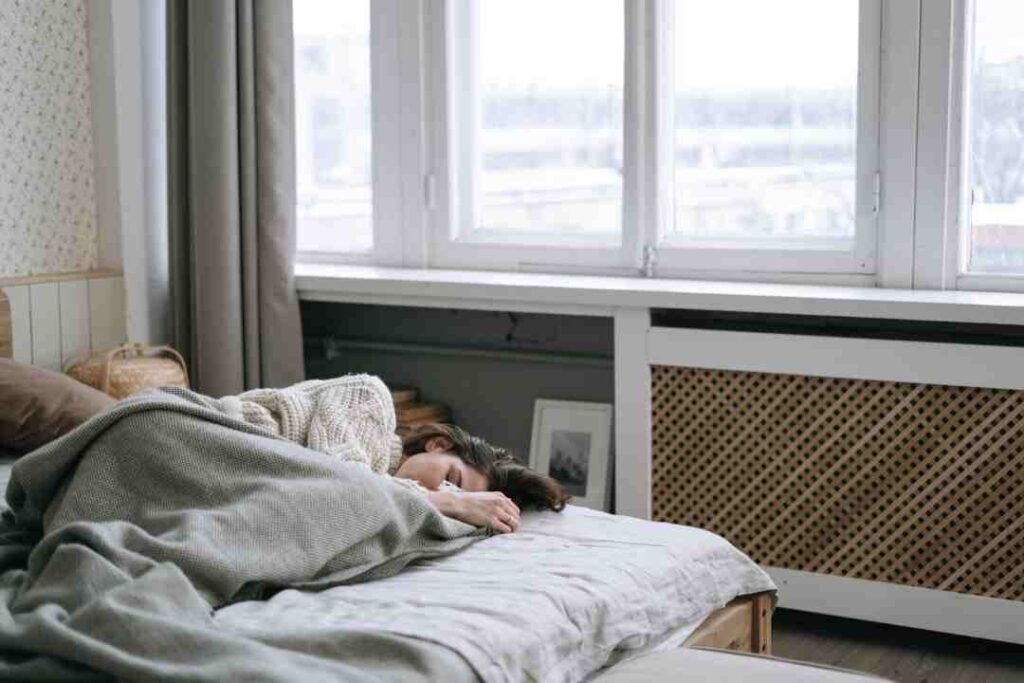
If you have ever woken up with deep red grooves on the bridge of your nose or a persistent itchy rash around your mouth, you know that CPAP therapy can sometimes feel like a trade-off between breathing well and having healthy skin. For many Australians, the struggle with CPAP mask irritation is the primary reason for abandoning sleep apnea treatment.
The good news? You don’t have to choose between sleep and skin health. Whether you are dealing with a genuine silicone allergy or simply have sensitive skin that reacts to pressure and moisture, modern mask technology has evolved. From medical-grade memory foam to fabric-wrapped frames, there are specific solutions designed to keep you comfortable all night long.
In this guide, we will explore the best CPAP masks for sensitive skin available in Australia and provide a step-by-step framework to help you eliminate red marks for good.
See more: Medical Oxygen Supplies Melbourne: Guide to Home Equipment
Understanding CPAP Dermatitis: Why Does Your Mask Irritate Your Skin?
Before diving into the products, it is essential to understand the “why” behind the irritation. Skin issues from CPAP use generally fall into three categories:
1. Pressure Sores and Red Marks
These are mechanical issues caused by a mask that is either too tight or poorly fitted. Continuous pressure on the thin skin of the nasal bridge can lead to “mask burn” or even skin breakdown.
2. Contact Dermatitis (Silicone Allergy)
While rare, a true silicone allergy can cause localized redness, blistering, or hives where the cushion touches the face. More commonly, users suffer from irritant contact dermatitis caused by the chemicals used in the manufacturing of low-quality masks.
3. Moisture and Bacterial Buildup
Standard silicone is non-porous. This means sweat and facial oils become trapped between the skin and the cushion. This “swampy” environment is a breeding ground for bacteria, leading to breakouts and “CPAP rash.”
Best CPAP Masks for Sensitive Skin and Silicone Allergies
When searching for a hypoallergenic CPAP mask in Australia, you need to look for materials that prioritize breathability and biocompatibility.
The Memory Foam Revolution: ResMed AirTouch F20
The ResMed AirTouch F20 is widely considered the gold standard for sensitive skin. Unlike traditional masks, it features an UltraSoft™ memory foam cushion.
- Why it works: The foam is breathable and conforms to the unique contours of your face without requiring the “death-grip” tightness of silicone.
- Benefits: It significantly reduces friction and prevents the moisture buildup that causes rashes.
- Trade-off: Memory foam cushions cannot be washed in water; they must be wiped down and replaced every 30 days.
The Hybrid Minimalist: Fisher & Paykel Evora
If you find that full-face masks are too bulky, the Fisher & Paykel Evora offers a “compact” seal that sits under the nose rather than over the bridge.
- Why it works: By eliminating contact with the nasal bridge—the most common site for red marks—it removes the primary source of irritation for many users.
- Key Feature: The “Cap-Fit” headgear is designed to be put on like a baseball cap, ensuring a consistent fit that doesn’t require over-tightening.
The Fabric-Wrapped Solution: ResMed AirTouch N30i
For nasal users, the AirTouch N30i is a game-changer. It is a nasal cradle mask where the frame is wrapped in a soft, breathable fabric.
- Why it works: It prevents the plastic or silicone frame from ever touching your cheeks, reducing the risk of “strap marks” and heat-related irritation.
Comparison of Top Hypoallergenic CPAP Options in Australia
| Mask Model | Cushion Material | Best For | Allergy Compatibility |
| ResMed AirTouch F20 | Memory Foam | Sensitive skin & facial hair | Excellent (Silicone-free contact) |
| F&P Evora Full | Soft Silicone | Preventing nasal bridge sores | Good (Minimal contact) |
| Bleep DreamPorts | Adhesive (No Mask) | Severe allergies / Claustrophobia | Superior (No headgear/silicone) |
| AirTouch N20 | Memory Foam | Nasal breathers | Excellent (Silicone-free contact) |
How to Eliminate Red Marks: A Step-by-Step Framework
If you aren’t ready to buy a new mask yet, follow this 4-step process to improve your current setup:
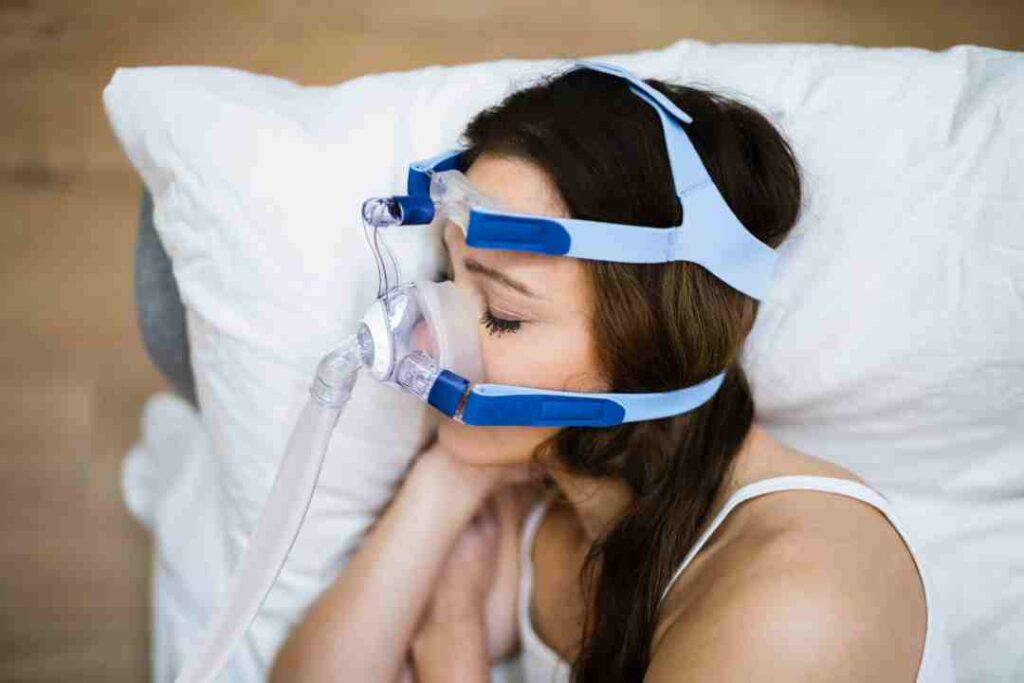
Step 1: The “Two-Finger” Fit Test
Most people over-tighten their masks to stop leaks. This actually creates more leaks by crushing the cushion’s “outer flap.”
- The Rule: You should be able to slide two fingers comfortably under the straps while the machine is running at therapy pressure.
Step 2: Use a Mask Liner
If you have a silicone allergy or excess moisture, a cotton mask liner (like Remzzzs or Snugz) acts as a protective barrier. These liners wick away sweat and prevent the silicone from sticking to your skin.
Step 3: Switch to a Water-Based Moisturizer
Never use petroleum-based products (like Vaseline) before bed. They degrade the mask material and trap heat against the skin. Use a specialized, water-based CPAP moisturizer to hydrate the skin without interfering with the seal.
Step 4: The Morning Recovery Routine
Apply a soothing, fragrance-free aloe vera gel or a mild hydrocortisone cream (consult your GP first) to any red areas immediately after waking to speed up skin recovery.
Advanced Tips for Australian CPAP Users
- Mind the Humidity: Australia’s climate varies wildly. In humid areas like Queensland, keep your heated tube settings lower to prevent “rainout” (water splashing in the mask), which can macerate the skin.
- The “Daily Wipe” Habit: Skin oils are acidic. If you don’t wipe your silicone cushion daily with a CPAP-safe wipe, the material becomes “pitted” and abrasive, leading to increased redness.
- Replacement Cycles: In Australia, most health funds cover a new mask every 12 months. If your cushion is older than 6 months, the material has likely hardened, making it much more irritating to the skin.
Common Mistakes That Ruin Skin Health
- Using Baby Wipes: Many baby wipes contain alcohol or fragrances that dry out the skin and damage the CPAP cushion.
- Boiling the Mask: Some users boil their masks to “sanitize” them. This destroys the soft outer layer of the silicone, making it rigid and sharp.
- Ignoring the Bridge: If you have a permanent mark on your nasal bridge, you are at risk of a pressure ulcer. Switch to a nasal cradle or memory foam mask immediately.
Frequently Asked Questions (FAQ)
1. Can I be allergic to my CPAP mask?
Yes, though a true silicone allergy is rare. Most “allergies” are actually irritant contact dermatitis caused by sweat, oils, or cleaning chemicals trapped against the skin.
2. Is memory foam better than silicone for sensitive skin?
Generally, yes. Memory foam (like in the AirTouch F20) is more breathable and provides a more even pressure distribution, which reduces red marks.
3. How do I stop my CPAP mask from leaving lines on my face?
Try using soft strap covers or a mask with a “top-of-head” tube design (like the ResMed P30i), which reduces the amount of headgear touching your face.
4. What is the best hypoallergenic CPAP mask in Australia?
The ResMed AirTouch series (F20 and N20) is widely considered the best hypoallergenic option because the skin-contact point is memory foam rather than silicone.
5. Can I use a barrier cream with my CPAP mask?
Only if it is water-based. Oil-based creams will cause the mask to slide, leading to leaks and the eventual breakdown of the cushion material.
6. Do mask liners really help with red marks?
Yes. Cotton liners create a physical barrier that prevents skin-to-silicone contact and absorbs the moisture that causes rashes.
Conclusion: Take Control of Your Comfort
Waking up with red marks shouldn’t be the “price” you pay for a good night’s sleep. By choosing a mask with skin-friendly materials—like the ResMed AirTouch F20—and implementing a strict hygiene routine, you can protect your skin while staying compliant with your therapy.
If you are struggling with persistent irritation, the first step is to trial a memory foam cushion or a minimalist under-the-nose design. Your skin will thank you, and your sleep quality will improve when you aren’t fighting your mask all night.
Would you like me to create a customized CPAP cleaning schedule or a list of the best water-based moisturizers available in Australia?
Internal Linking Suggestions:
- Best CPAP Machines for 2026 (Australia)
- How to Clean Your CPAP Mask: The Ultimate Guide
- Understanding Sleep Apnea: Symptoms and Treatments
External References:
- Sleep Health Foundation (Australia)
- Australasian Sleep Association